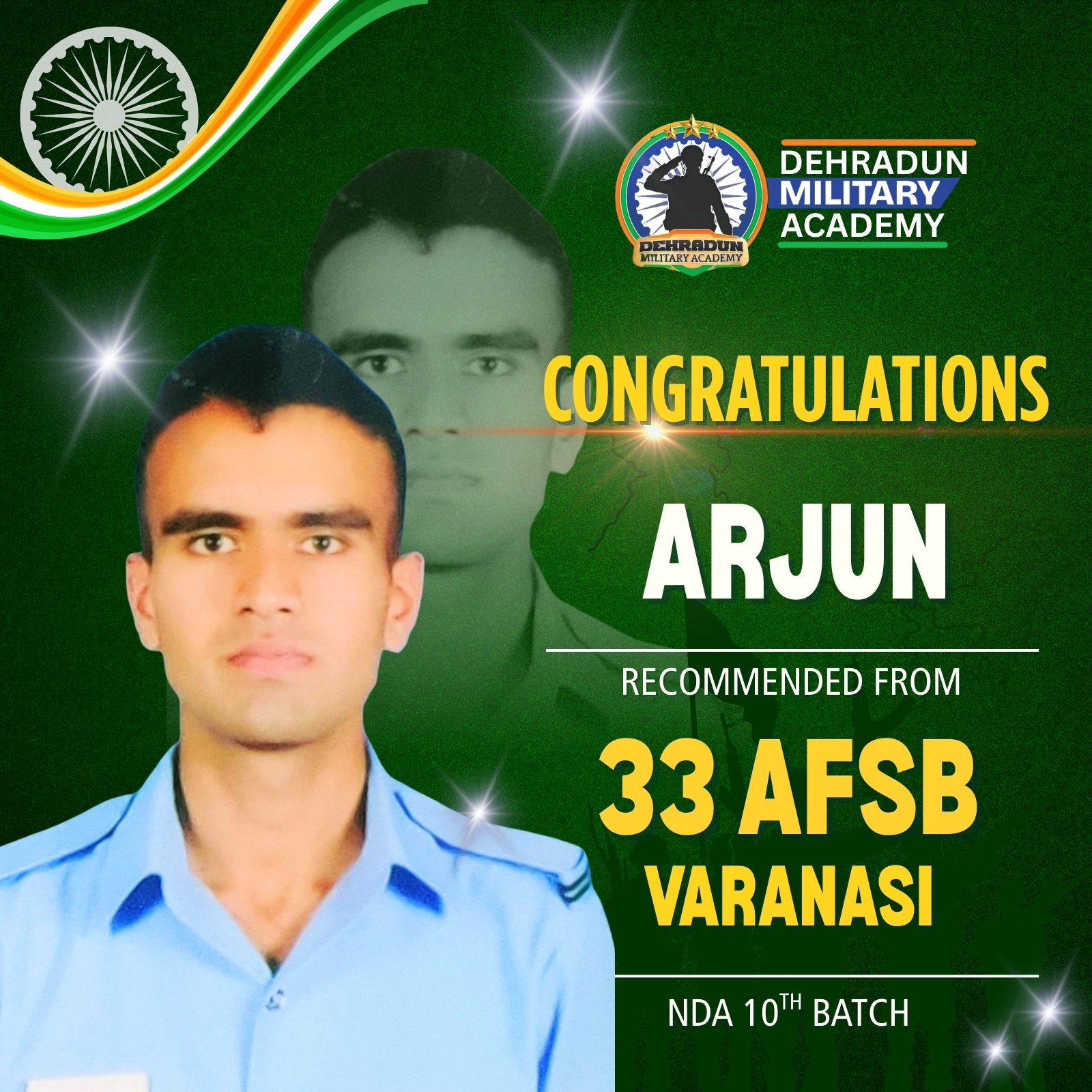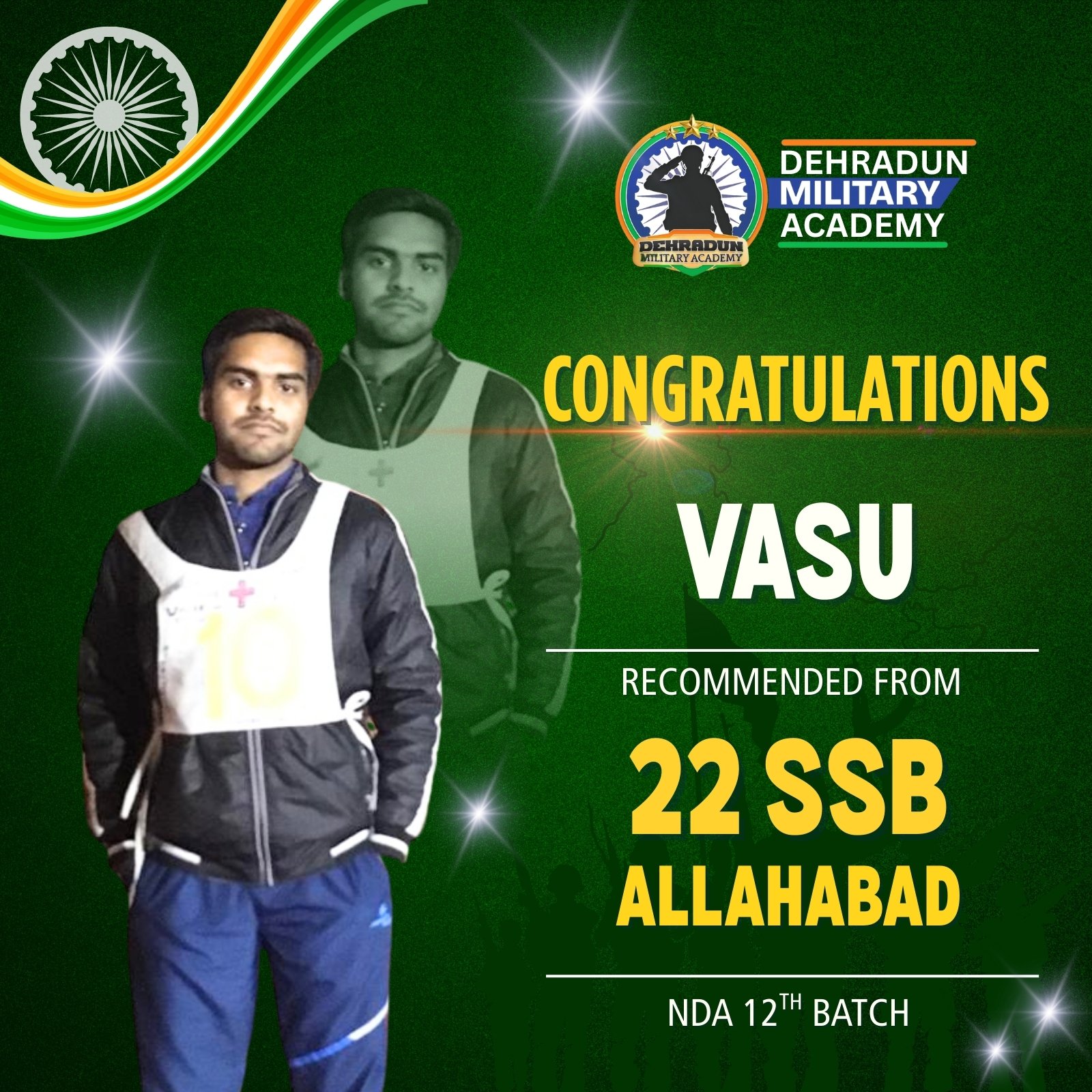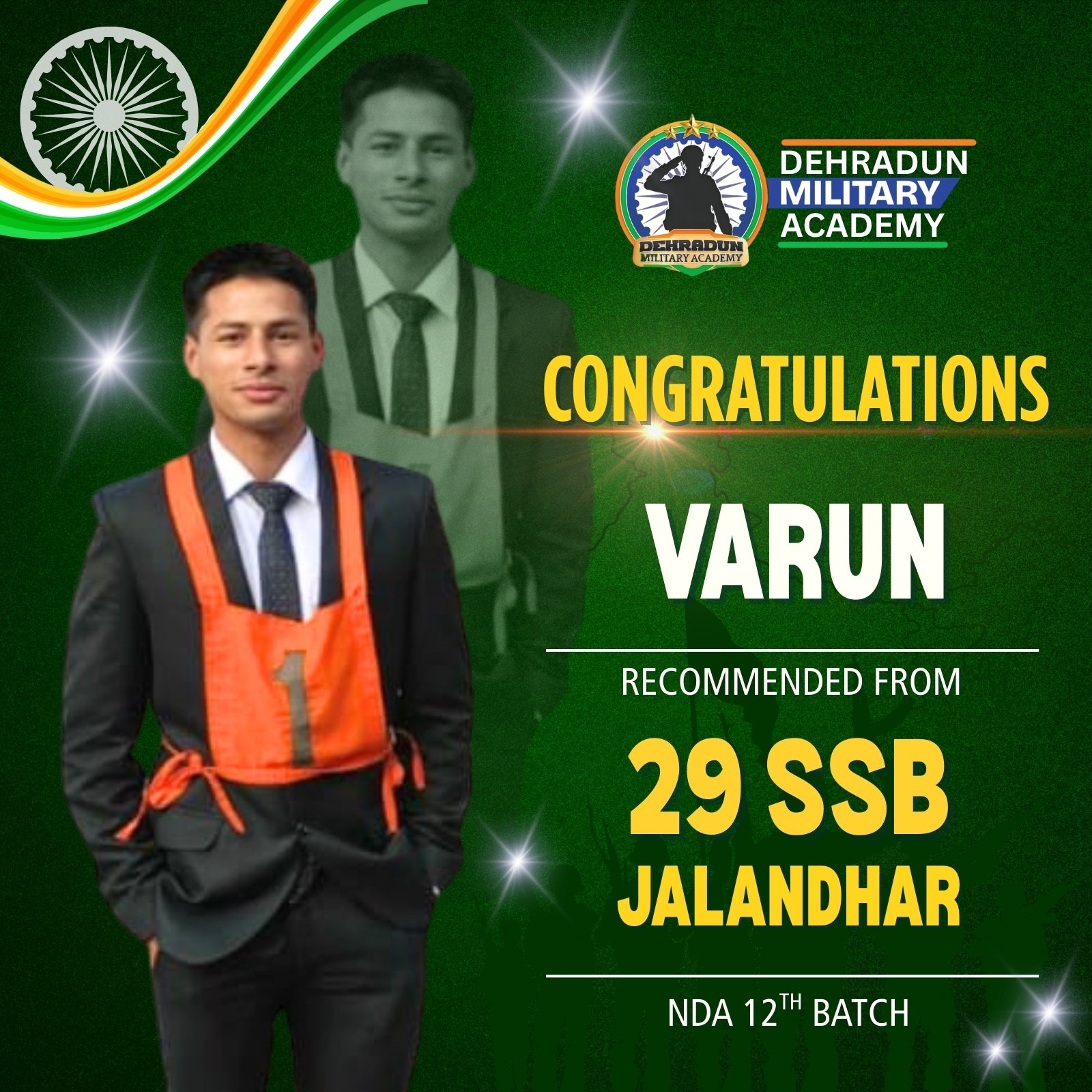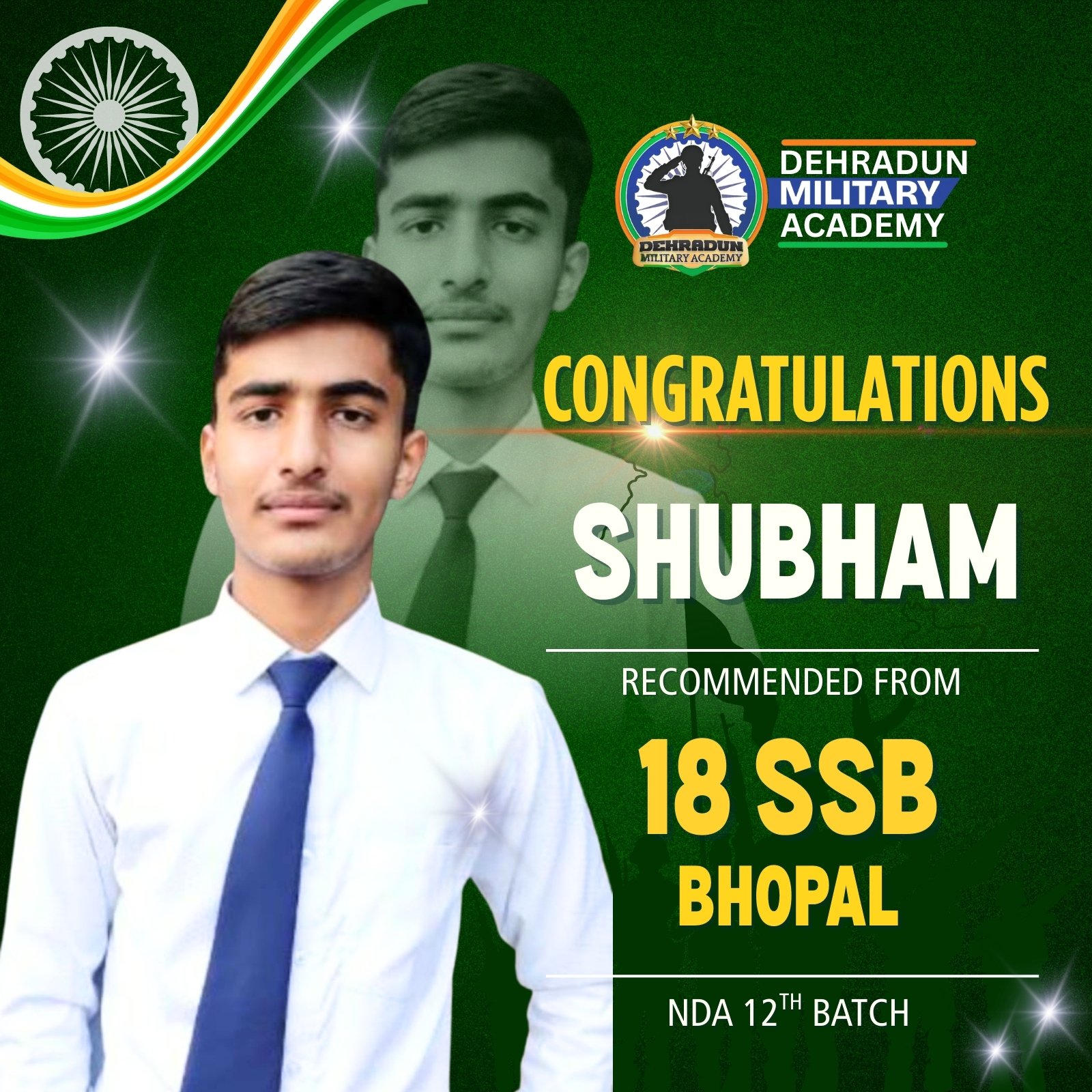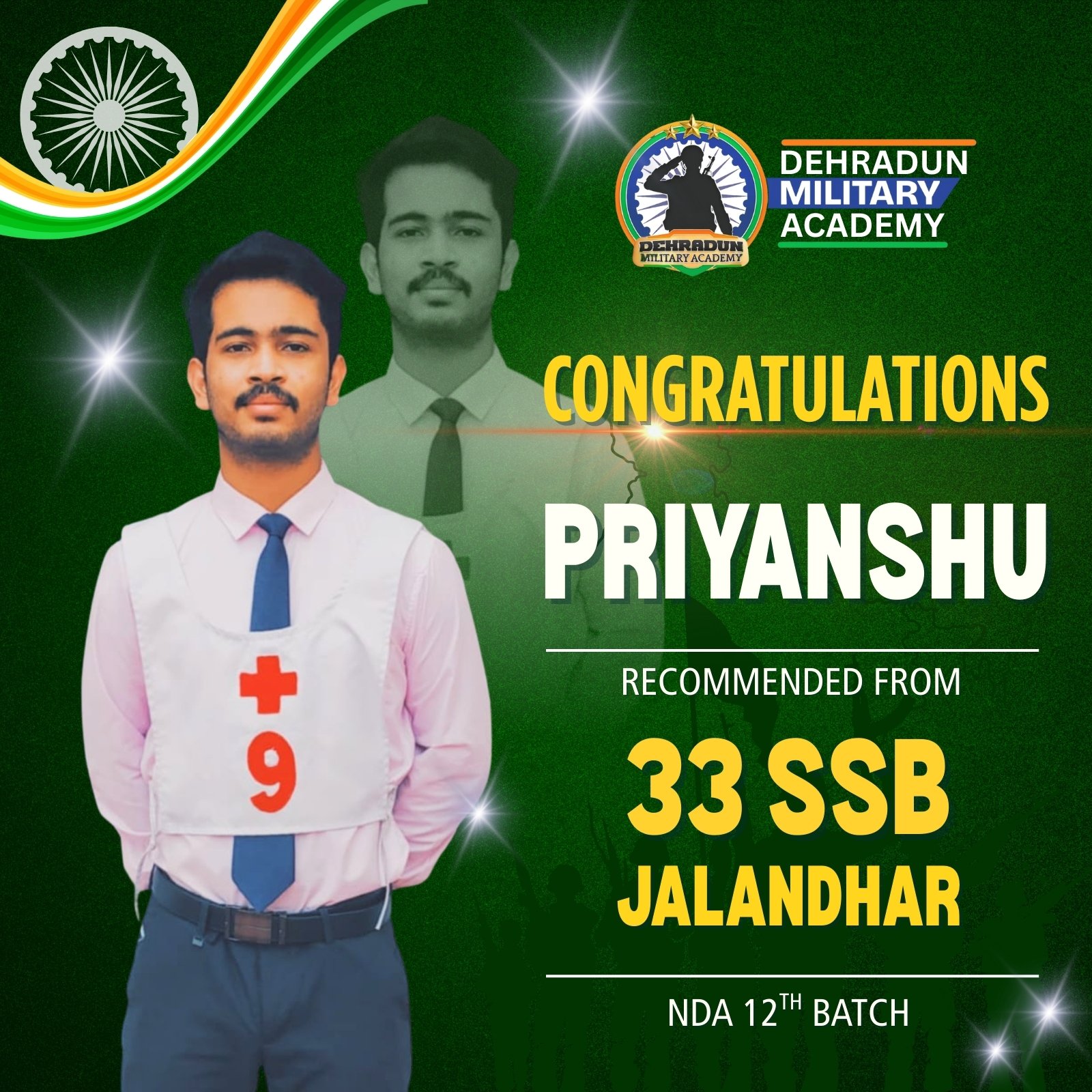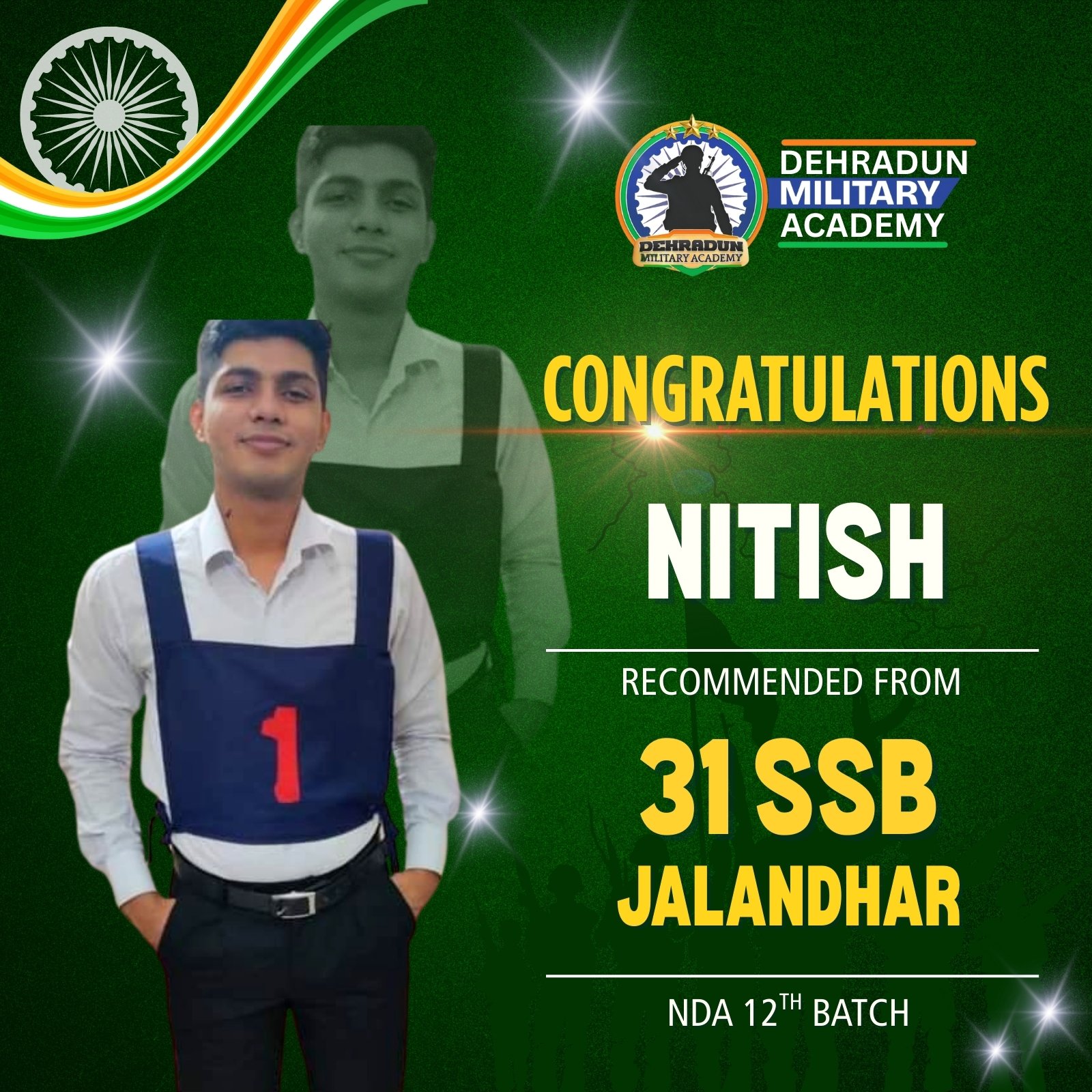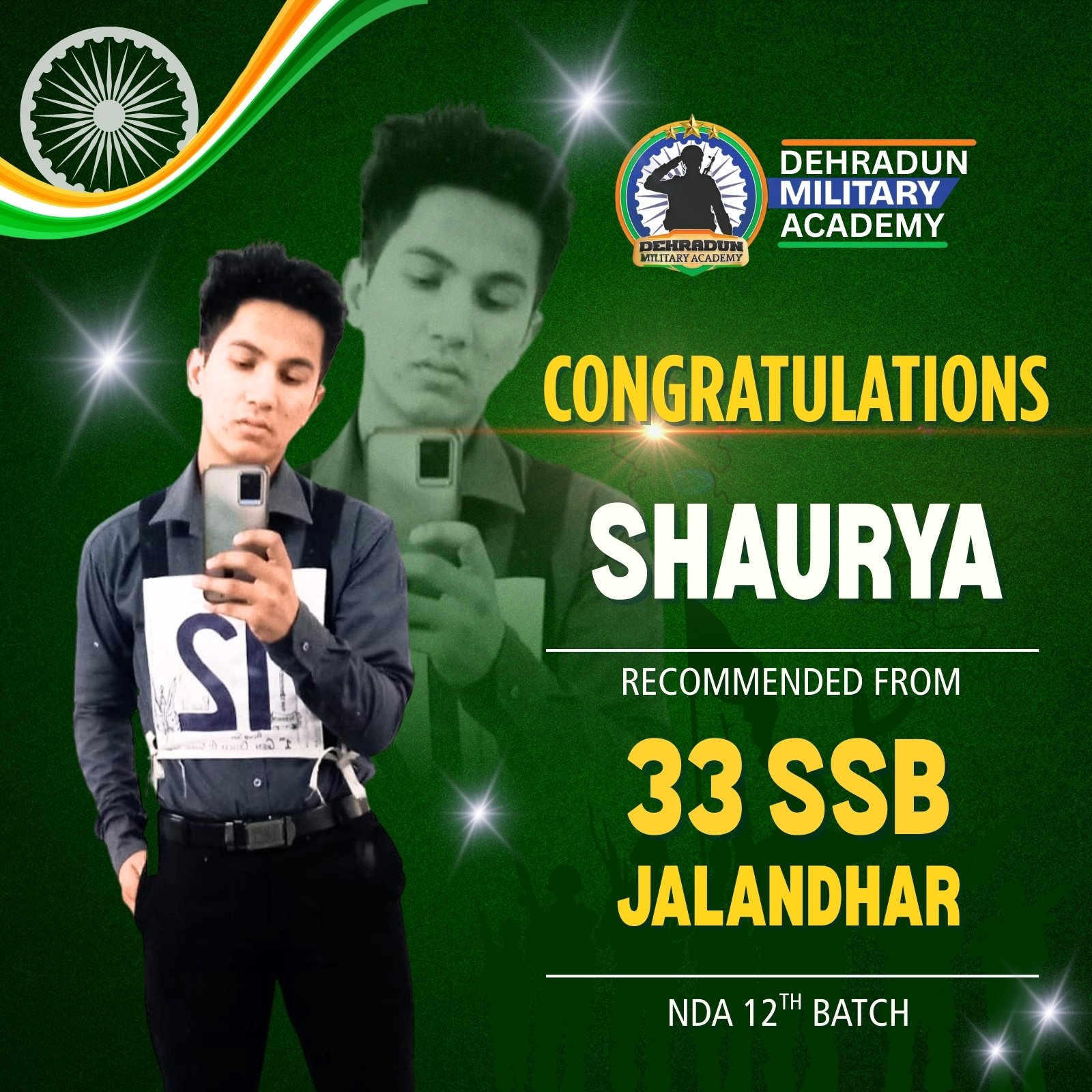
Every Recommended Candidate Has One Thing in Common…
Every year, lakhs of young aspirants dream of wearing the uniform of the Indian Army, Indian Navy, or Indian Air Force. They spend months preparing for the NDA, CDS, AFCAT, TES, and other defence examinations. Many clear the written exam with excellent marks, yet only a few receive the coveted recommendation from the Services Selection Board (SSB).
Why?
Because SSB is not an examination of your knowledge—it is an assessment of your personality.
The SSB Interview is designed to answer one important question:
“Can this candidate become an officer who can lead soldiers in challenging situations?”
This is why assessors do not judge you based on your English fluency, academic percentage, or your ability to memorise answers. Instead, they carefully observe your behaviour, attitude, leadership, decision-making, confidence, emotional stability, and ability to work with others.
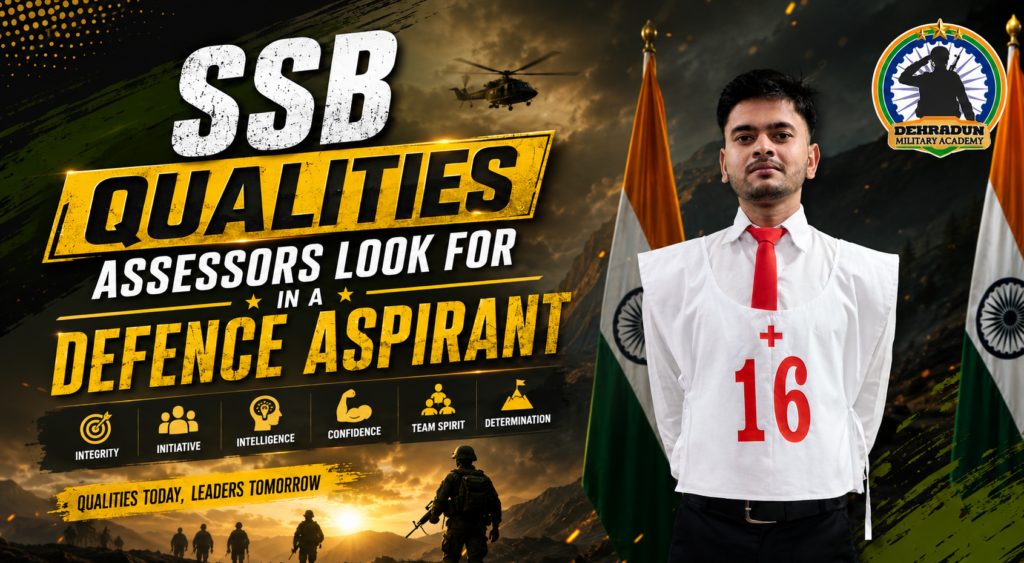
Understanding the SSB qualities assessors look for in a defence aspirant can completely change the way you prepare. Instead of trying to impress the assessors with rehearsed responses, you begin working on developing the qualities that truly matter.
If you’re preparing for the SSB Interview and looking for professional mentorship, joining a structured SSB Coaching in Dehradun at Dehradun Military Academy can help you develop these qualities through psychology sessions, GTO practice, personal interviews, and guidance from retired Armed Forces officers.
What is the Real Purpose of the SSB Interview?
Many first-time candidates believe the SSB Interview is simply another interview where they have to answer questions correctly.
In reality, it is one of the world’s most scientific personality assessment systems.
The objective of the SSB is to identify candidates who naturally possess the potential to become military leaders.
An officer in the Armed Forces is expected to:
- Lead troops under stressful conditions
- Make quick decisions with limited information
- Inspire and motivate subordinates
- Take responsibility for people and resources
- Remain calm during crises
- Adapt to unfamiliar environments
These responsibilities cannot be measured through written examinations alone.
Therefore, over five days, the SSB assesses your personality through different activities that reveal your natural behaviour.
What Are Officer Like Qualities (OLQs)?
Officer Like Qualities, commonly known as OLQs, are the personality traits expected from every commissioned officer in the Indian Armed Forces.
Rather than testing isolated skills, SSB looks at how different qualities work together to define your personality.
These qualities include:
- Leadership
- Effective Intelligence
- Initiative
- Self-Confidence
- Courage
- Determination
- Emotional Stability
- Sense of Responsibility
- Social Adaptability
- Cooperation
- Organising Ability
- Decision Making
- Communication Skills
- Physical and Mental Stamina
These qualities are not expected to be perfect. Assessors simply want to see whether you have the potential to develop into an effective military leader.
Top SSB Qualities Assessors Look for in a Defence Aspirant
1. Leadership Ability
Leadership is one of the most important Officer Like Qualities.
However, many candidates misunderstand leadership.
Leadership is not about speaking the loudest or controlling the group.
A true leader understands the situation, listens carefully, involves everyone, makes practical decisions, and ensures that the team moves towards a common objective.
During GTO tasks, assessors closely observe whether candidates naturally guide the group instead of trying to dominate it.
Good leaders inspire others.
Great leaders help others perform better.
2. Effective Intelligence
One of the most misunderstood qualities in SSB is Effective Intelligence.
It does not mean having an exceptionally high IQ.
Instead, it refers to your ability to solve practical problems using the available resources.
Suppose your group faces an obstacle during a GTO task.
A candidate demonstrating Effective Intelligence will:
- Analyse the obstacle calmly.
- Suggest practical solutions.
- Use available helping materials wisely.
- Adapt quickly if the first plan fails.
Military officers often work under uncertain conditions, making this quality extremely valuable.
3. Confidence
Confidence is visible long before you answer your first interview question.
It can be seen in your body language, your posture, your communication, and your willingness to participate.
Confident candidates:
- Maintain eye contact.
- Speak naturally.
- Accept mistakes honestly.
- Express opinions respectfully.
- Remain calm under pressure.
Remember, confidence should never become overconfidence.
SSB assessors appreciate humble confidence much more than aggressive behaviour.
4. Decision-Making Ability
In military life, hesitation can be costly.
Whether commanding troops during operations or handling administrative responsibilities, officers must make timely decisions.
This is why SSB assesses:
- Your ability to analyse situations.
- Your logical thinking.
- Your judgement.
- Your willingness to take responsibility for decisions.
Assessors know that perfect information rarely exists.
They value candidates who can make balanced decisions under pressure.
5. Communication Skills
One of the biggest myths surrounding SSB is that excellent English guarantees success.
This is completely false.
Assessors are interested in clarity of thought, not complicated vocabulary.
A candidate who communicates simple ideas confidently is far more impressive than someone who uses difficult English without clarity.
Good communication means:
- Listening carefully
- Speaking logically
- Respecting others
- Presenting ideas confidently
- Remaining polite even during disagreements
6. Social Adaptability
An officer may serve in Rajasthan today and Arunachal Pradesh tomorrow.
He or she may lead soldiers from different cultures, languages, and backgrounds.
Therefore, adaptability is an essential Officer Like Quality.
Candidates should demonstrate:
- Friendly behaviour
- Open-mindedness
- Respect for others
- Positive interaction
- Ability to work with different personalities
Social adaptability becomes visible throughout all five days of SSB.
7. Teamwork and Cooperation
Military success is built on teamwork.
No officer wins a battle alone.
This is why assessors closely watch how candidates behave during group activities.
Do you encourage others?
Do you help weaker members?
Do you listen before speaking?
Do you support the group’s objective?
Candidates who constantly interrupt others or seek unnecessary attention often leave a poor impression.
Team success always comes before individual recognition.
8. Sense of Responsibility
Responsibility reflects maturity.
Military officers are responsible not only for equipment but also for the lives of their soldiers.
Assessors therefore evaluate whether candidates naturally accept responsibility in their personal lives.
Questions about your family, education, hobbies, achievements, and daily routine often help assessors understand this quality.
Candidates who accept their mistakes honestly usually create a much stronger impression than those who make excuses.
9. Initiative
The Armed Forces require officers who can act without waiting for constant instructions.
Initiative simply means taking the first positive step whenever necessary.
Candidates displaying initiative often:
- Volunteer naturally.
- Offer practical suggestions.
- Help the group move forward.
- Solve problems proactively.
Initiative should never become unnecessary interference.
Good officers know when to lead and when to support.
10. Courage and Emotional Stability
Physical courage is important.
Mental courage is equally important.
Military officers frequently encounter stressful situations.
Assessors therefore observe whether candidates remain emotionally balanced during pressure.
Emotionally stable candidates:
- Accept criticism positively.
- Stay calm during failures.
- Recover quickly from setbacks.
- Continue performing under stress.
11. Determination
Every military career demands perseverance.
Obstacles are inevitable.
Candidates demonstrating determination continue working even when situations become difficult.
Whether during Individual Obstacles or personal interviews, assessors appreciate candidates who demonstrate resilience rather than giving up easily.
12. Physical and Mental Stamina
SSB is a five-day assessment.
Candidates remain active from early morning until evening.
Good physical fitness helps maintain energy throughout the process.
Mental stamina ensures consistent performance even after long and demanding schedules.
This is why regular exercise, sports, and healthy habits become an essential part of SSB preparation.
At Dehradun Military Academy, candidates preparing through the Best SSB Coaching in Dehradun undergo structured physical training alongside personality development, helping them improve both confidence and endurance before appearing for the actual assessment.
How SSB Assessors Judge Your Personality
One of the biggest misconceptions among aspirants is that a single good performance can secure recommendation.
In reality, every assessor independently observes you from a different perspective.
The final recommendation depends upon consistency.
Psychology Tests
Psychology Tests reveal your natural thinking process.
These include:
- TAT
- WAT
- SRT
- Self Description
Rather than searching for “correct answers,” psychologists observe how you naturally perceive situations and solve problems.
Group Testing Officer (GTO) Tasks
The GTO evaluates your behaviour in practical situations.
These tasks assess:
- Leadership
- Cooperation
- Initiative
- Planning Ability
- Confidence
- Communication
- Resource Management
Candidates preparing through professional SSB Coaching in Dehradun generally perform better because they become familiar with task planning, obstacle handling, lecturette techniques, and group behaviour without trying to memorise fixed solutions.
Personal Interview
The Interviewing Officer wants to know the real you.
Questions generally revolve around:
- Family
- Friends
- Education
- Achievements
- Failures
- Hobbies
- Daily routine
- Goals
The interview is not designed to trap candidates.
It is designed to understand their personality.
Honesty always creates a stronger impression than exaggerated achievements.
Why Consistency Matters More Than Perfection
One of the biggest misconceptions among SSB aspirants is that they need to perform exceptionally well in every task to get recommended. In reality, assessors are not looking for perfection—they are looking for consistency.
The Psychologist, Group Testing Officer (GTO), and Interviewing Officer work independently. Each of them evaluates different aspects of your personality, but they all try to answer the same question:
“Is this candidate naturally suitable to become an officer?”
For example, if you portray yourself as a confident leader during the interview but appear hesitant and passive during GTO tasks, your personality assessment becomes inconsistent. Similarly, if your psychology tests indicate poor confidence while your interview responses suggest otherwise, assessors will notice the mismatch.
This is why experienced mentors always advise candidates to be genuine rather than trying to create a fake personality. Authentic behaviour is far easier to maintain throughout the five-day assessment.
Common Mistakes That Prevent Candidates from Getting Recommended
Every SSB batch has capable candidates who miss recommendation because of avoidable mistakes rather than a lack of potential.
Understanding these mistakes can help you prepare more effectively.
1. Trying to Act Like an Officer
Many candidates watch YouTube videos or read “perfect interview answers” online and try to imitate them during SSB.
This approach rarely works.
SSB assessors have years of experience and can quickly identify rehearsed behaviour. Instead of acting like an officer, focus on developing the qualities of one.
2. Dominating Every Group Discussion
Some candidates believe speaking the most automatically demonstrates leadership.
In reality, leadership is about guiding the discussion, encouraging participation, and helping the group reach a meaningful conclusion.
Candidates who constantly interrupt others or argue unnecessarily often leave a negative impression.
3. Remaining Silent Throughout Group Activities
The opposite extreme is equally harmful.
Some aspirants hesitate because they fear making mistakes.
Remember, assessors cannot evaluate qualities that you never demonstrate.
Participate confidently, but always contribute with meaningful ideas.
4. Memorising Psychology Test Responses
Psychology Tests such as TAT, WAT, and SRT are designed to capture your natural thought process.
Candidates who memorise responses usually struggle because the tests are time-bound. Artificial answers often appear inconsistent and unrealistic.
The best approach is to develop positive thinking rather than memorising stories.
5. Weak Self-Awareness
One of the easiest ways to lose confidence during the Personal Interview is by not knowing yourself.
Candidates should honestly analyse:
- Their strengths
- Areas of improvement
- Academic performance
- Family background
- Hobbies
- Achievements
- Failures
- Future goals
Self-awareness creates confidence because you answer naturally instead of searching for “correct” responses.
6. Ignoring Current Affairs
Officers are expected to remain aware of national and international developments.
Although SSB is not a current affairs examination, candidates should know about:
- National security issues
- Defence exercises
- International relations
- Important government policies
- Recent defence acquisitions
- Major national events
Reading a newspaper for 20–30 minutes every day can significantly improve awareness.
7. Neglecting Physical Fitness
Many candidates spend months practising interview questions while ignoring physical preparation.
Remember, military officers lead from the front.
A physically fit candidate naturally appears more energetic, confident, and disciplined throughout the assessment.
Simple activities like running, push-ups, pull-ups, stretching, and sports can make a noticeable difference.
Practical Ways to Develop Officer Like Qualities (OLQs)
One of the most common questions asked by aspirants is:
“Can Officer Like Qualities really be developed?”
The answer is yes.
While personality develops over many years, your daily habits play a major role in shaping these qualities.
Here are some practical methods.
Develop the Habit of Reading
Reading quality newspapers, books, biographies of military leaders, and defence-related articles broadens your perspective.
It improves:
- Analytical thinking
- Decision-making
- Communication
- Awareness
- Confidence
Instead of memorising facts, try understanding why events happen.
Improve Your Communication Skills
Communication improves only through regular practice.
Start by speaking on one topic every day for three to five minutes.
Record yourself, identify areas of improvement, and gradually work on:
- Clarity
- Confidence
- Body language
- Voice modulation
- Logical structure
Remember, effective communication is about making your ideas easy to understand.
Participate in Team Activities
Leadership grows naturally through teamwork.
Participate in:
- Sports
- College projects
- NCC activities
- Social service
- Community events
These experiences teach cooperation, responsibility, and problem-solving far better than theoretical learning.
Build Physical Fitness
A defence aspirant should maintain a balanced fitness routine.
Focus on:
- Running
- Endurance
- Strength training
- Flexibility
- Sports
Physical fitness not only improves stamina but also builds confidence and mental resilience.
Accept Responsibility in Daily Life
Officer Like Qualities begin with small responsibilities.
Help your family.
Manage your time effectively.
Complete tasks without reminders.
Keep promises.
Leadership starts with accountability.
Learn to Make Decisions
Avoid depending on others for every small choice.
Practice making informed decisions in daily situations.
Analyse outcomes and learn from mistakes.
Decision-making improves only through experience.
A Daily Routine to Build Officer Like Qualities
Many recommended candidates follow disciplined routines long before attending SSB.
A simple daily schedule may include:
Morning
- Wake up early.
- Physical exercise.
- Running or sports.
Afternoon
- Academic study.
- Newspaper reading.
- Defence current affairs.
Evening
- Public speaking practice.
- Group discussion with friends.
- Reading books.
- Self-analysis.
Maintaining discipline consistently is more valuable than studying excessively for one or two days.
Why Professional Guidance Makes a Difference
While Officer Like Qualities develop through daily life, structured mentorship can significantly accelerate your preparation.
Many candidates fail not because they lack potential but because they misunderstand the SSB process.
Preparing under experienced mentors helps candidates understand:
- Psychology Tests
- GTO Tasks
- Personal Interview
- Lecturette
- Group Discussions
- Officer Like Qualities
- Body language
- Communication techniques
At Dehradun Military Academy, aspirants receive guidance from retired officers of the Indian Army, Indian Navy, and Indian Air Force who understand the SSB process from an assessor’s perspective.
The academy’s SSB Online Coaching in Dehradun focuses not on teaching memorised answers but on developing confidence, leadership, personality, communication skills, and decision-making ability through practical training.
Candidates undergo mock interviews, psychology practice sessions, GTO task simulations, lecturette preparation, and one-to-one personality assessments to identify areas of improvement before appearing for the actual SSB.
For serious defence aspirants, professional guidance often bridges the gap between clearing the written examination and earning the final recommendation.
Final Thoughts
The Services Selection Board is much more than an interview—it is a comprehensive personality assessment designed to identify future military leaders.
Candidates often spend months searching for shortcuts, expected interview questions, or psychology “tricks.” However, the truth remains unchanged:
There is no substitute for genuine personality development.
Leadership cannot be memorised.
Confidence cannot be borrowed.
Responsibility cannot be faked.
These qualities are built gradually through discipline, self-improvement, honesty, and continuous learning.
If you truly want to succeed in SSB, stop focusing only on clearing the interview. Focus on becoming the kind of person the Armed Forces would proudly trust with responsibility.
When your personality naturally reflects Officer Like Qualities, recommendation becomes a result—not a coincidence.
Frequently Asked Questions (FAQs)
What are the most important qualities assessed during the SSB Interview?
The SSB primarily evaluates leadership, effective intelligence, communication skills, teamwork, initiative, confidence, emotional stability, determination, social adaptability, responsibility, and decision-making ability.
Can Officer Like Qualities be developed before appearing for SSB?
Yes. Daily discipline, physical fitness, public speaking, reading newspapers, participating in team activities, and accepting responsibilities all contribute to developing Officer Like Qualities over time.
Does speaking fluent English improve SSB performance?
No. Assessors value clarity of thought, confidence, and logical communication far more than fluency in English. Candidates can perform well by expressing themselves naturally and confidently.
Is coaching necessary for SSB preparation?
Coaching is not compulsory, but proper guidance from experienced mentors can help candidates understand the assessment process, improve their personality, avoid common mistakes, and prepare more systematically.
How long does it take to prepare for SSB?
The preparation period varies depending on the candidate. Developing Officer Like Qualities is a continuous process, but consistent preparation over three to six months under proper guidance can significantly improve performance.
Conclusion
Every candidate who walks into the SSB centre dreams of hearing one word—“Recommended.” But recommendations are not earned through memorised answers or artificial confidence. They are earned by demonstrating the qualities expected of a future officer.
If you begin working on your personality today—improving your leadership, communication, awareness, discipline, fitness, and decision-making—you won’t just prepare for the SSB Interview. You’ll prepare yourself for a lifetime of leadership in the Indian Armed Forces.
And that’s exactly what the SSB is designed to identify.