In a heroic display of courage and quick thinking, personnel from the Indo-Tibetan Border Police (ITBP) successfully rescued an Indian Army Agniveer who was swept away by the swift currents of the Alaknanda River in Uttarakhand. The incident occurred near Mana in the Chamoli district on November 9, 2026, and highlights the bravery and coordination of the ITBP in challenging conditions.
The Incident
Agniveer Lalit Kumar, a member of the Indian Army’s Corps of Signals, was engaged in laying a signal line near a forward military post when he accidentally fell into the Alaknanda River. The incident took place around 12:55 pm, and the strong river currents quickly carried him away. Workers at the site immediately raised an alarm, calling for help.
The Rescue Operation
Three ITBP personnel, Saurabh, Bolbam Sahu, and Om Prakash, were on their way to the forward post when they heard the cries for help. They promptly responded and managed to pull Lalit Kumar from the river. Recognizing the severity of his condition, they administered cardiopulmonary resuscitation (CPR) on the spot, which was crucial in stabilizing him before medical help arrived.
Medical Response
Dr. Gaurav Singh, the commanding officer at the ITBP’s Mana headquarters, arrived with a medical response team and an ambulance. Lalit Kumar was initially taken to the Primary Health Centre in Badrinath for emergency treatment. However, due to his critical condition, an Indian Army helicopter was arranged to airlift him to a military medical facility in Joshimath. By 3:30 pm, he was receiving further treatment at the Army field hospital in Joshimath.
Challenges of the Terrain
The rescue operation took place in the Mana sector, known for its rugged mountains and fast-flowing rivers. This region, near the India-China border, presents significant challenges for both the Indian Army and ITBP personnel, who regularly operate under such demanding conditions. The swift and coordinated action of the ITBP personnel underscores their preparedness and adaptability in high-altitude environments.
Lessons for Aspirants
This incident offers several lessons for aspirants aiming to join the armed forces:
- Preparedness: Being ready to respond to emergencies is crucial. Training in first aid and emergency response can save lives.
- Teamwork: The successful rescue was a result of effective teamwork and communication among the ITBP personnel.
- Adaptability: Operating in challenging terrains requires adaptability and quick decision-making skills.
- Coordination: The cooperation between different forces, such as the ITBP and the Indian Army, is vital for successful operations in frontier regions.
For those preparing for a career in defence, Dehradun Military Academy offers a comprehensive environment to develop the necessary skills and discipline.
Related DMA courses: Agniveer coaching and SSC GD coaching.
FAQs
What is the role of ITBP in border security?
The Indo-Tibetan Border Police (ITBP) is responsible for guarding India’s border with China, ensuring security and stability in the region.
How did the ITBP personnel manage to save the Agniveer?
The ITBP personnel acted quickly by pulling the Agniveer out of the river and administering CPR, which was crucial in stabilizing him until further medical assistance arrived.
What challenges do forces face in the Mana sector?
The Mana sector is characterized by rugged terrain and fast-flowing rivers, making operations challenging for both the Indian Army and ITBP personnel.
Why was an airlift necessary for the Agniveer?
Due to the Agniveer’s critical condition, an airlift was necessary to transport him quickly to a well-equipped military medical facility for advanced treatment.
What training is essential for handling emergencies in the armed forces?
Training in first aid, CPR, and emergency response is essential for handling emergencies effectively in the armed forces.
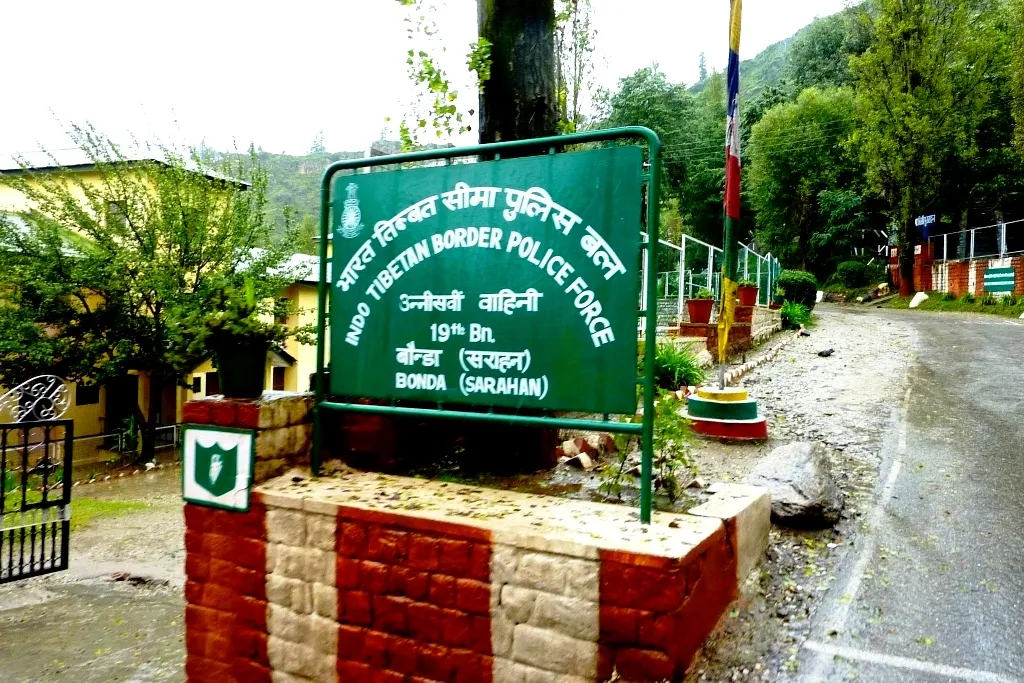
Featured image: Indo-Tibetan Border Police. Sarahan by John Hill, CC BY-SA 4.0, via Wikimedia Commons.