Choosing the right path in the defence sector is crucial for aspirants aiming to serve in the Indian Armed Forces. Among the most sought-after exams are the National Defence Academy (NDA), Combined Defence Services (CDS), and Air Force Common Admission Test (AFCAT). Each exam serves as a gateway to different wings and roles within the military. This guide will provide a comprehensive comparison to help you decide which exam aligns best with your career goals.
NDA: National Defence Academy
Eligibility Criteria
- Age: 16.5 to 19.5 years
- Qualification: 10+2 pass or appearing
- Gender: Male and Female (recently opened for females)
Service and Academy
- Service: Indian Army, Navy, and Air Force
- Academy: National Defence Academy, Khadakwasla
Exam Pattern
- Subjects: Mathematics and General Ability Test (GAT)
- Mode: Offline
- Duration: 2.5 hours for each paper
For detailed information on NDA preparation, you can visit the NDA Foundation Course page.
CDS: Combined Defence Services
Eligibility Criteria
- Age: 19 to 25 years
- Qualification: Graduate degree or equivalent
- Gender: Male and Female
Service and Academy
- Service: Indian Military Academy, Naval Academy, Air Force Academy, Officers’ Training Academy
- Academy: Respective service academies
Exam Pattern
- Subjects: English, General Knowledge, Elementary Mathematics (for IMA, INA, AFA)
- Mode: Offline
- Duration: 2 hours for each paper
Explore more about CDS coaching at CDS Coaching.
AFCAT: Air Force Common Admission Test
Eligibility Criteria
- Age: 20 to 24 years (Flying Branch), up to 26 years (Ground Duty)
- Qualification: Graduate degree (Physics and Mathematics at 10+2 level for Flying Branch)
- Gender: Male and Female
Service and Academy
- Service: Indian Air Force
- Academy: Air Force Academy, Dundigal
Exam Pattern
- Subjects: General Awareness, Verbal Ability, Numerical Ability, Reasoning, and Military Aptitude
- Mode: Online
- Duration: 2 hours
For aspiring candidates, AFCAT Coaching is available at DMA.
Side-by-Side Comparison
| Criteria | NDA | CDS | AFCAT |
|---|---|---|---|
| Age | 16.5 to 19.5 years | 19 to 25 years | 20 to 24/26 years |
| Qualification | 10+2 pass/appearing | Graduate | Graduate |
| Gender | Male and Female | Male and Female | Male and Female |
| Service | Army, Navy, Air Force | Army, Navy, Air Force | Air Force |
How to Decide Which Exam to Choose
Assess Your Eligibility
Check your age, educational qualifications, and gender eligibility. Ensure you meet the criteria for the exam you are interested in.
Understand Your Career Goals
Decide which branch of the armed forces you want to join. NDA offers entry into all three branches, while CDS and AFCAT are more specific.
Consider the Exam Pattern
Understand the subjects and preparation required for each exam. Choose the one that aligns with your strengths.
Long-Term Commitment
Consider the training duration and service commitment. NDA involves a longer training period, while CDS and AFCAT have shorter durations.
For a structured preparation environment, consider enrolling at the Dehradun Military Academy.
FAQs
What is the age limit for NDA?
The age limit for NDA is 16.5 to 19.5 years.
Can females apply for the NDA exam?
Yes, females can now apply for the NDA exam.
Is a graduate degree necessary for CDS?
Yes, a graduate degree is required to appear for the CDS exam.
What are the subjects in the AFCAT exam?
The AFCAT exam includes General Awareness, Verbal Ability, Numerical Ability, Reasoning, and Military Aptitude.
Which exam is best for joining the Indian Air Force?
Both NDA and AFCAT are suitable for joining the Indian Air Force, depending on your educational qualifications.
How many times can I appear for the NDA exam?
You can appear for the NDA exam as long as you meet the age and educational criteria.
What is the training duration after clearing the CDS exam?
The training duration varies by academy but is generally around 1.5 to 2 years.
How should I prepare for the SSB interview?
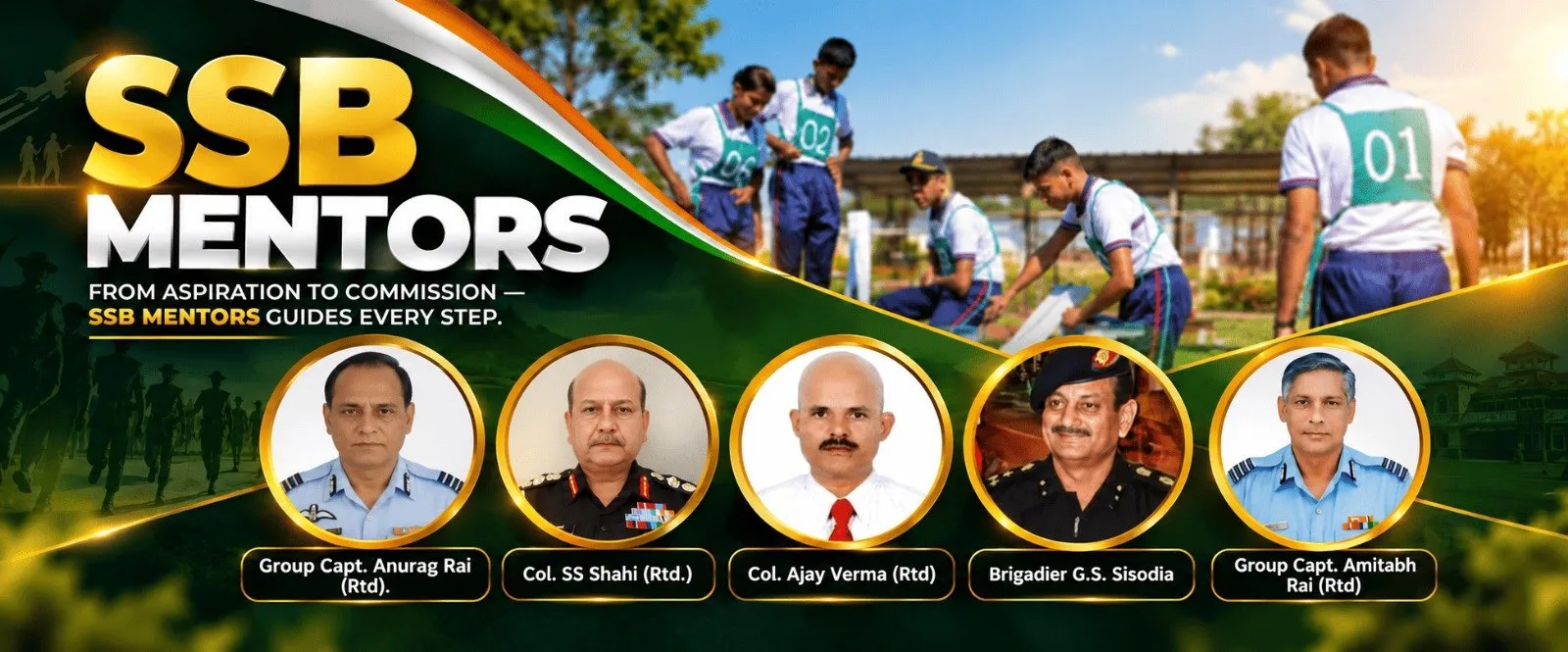
Focus on personality development, communication skills, and physical fitness. Consider SSB coaching for structured preparation.