When preparing for the Services Selection Board (SSB) interview, understanding and excelling in the Situation Reaction Test (SRT) is crucial. This test is designed to assess a candidate’s ability to think on their feet and demonstrate Officer Like Qualities (OLQs) through quick, practical responses to everyday and challenging situations. In this guide, we will delve into the intricacies of the SRT, providing you with the knowledge, examples, and tips needed to succeed.
Understanding the Situation Reaction Test (SRT)
The SRT is a psychological test conducted during the SSB interview process. Candidates are presented with approximately 60 situations and are required to write their reactions to each within a time frame of about 30 minutes. This test evaluates a candidate’s problem-solving skills, presence of mind, and ability to handle stress.
Structure of the SRT
- Number of Situations: Typically around 60.
- Time Allotted: Approximately 30 minutes.
- Response Format: Short, concise written reactions.
Purpose of the SRT
The primary aim of the SRT is to gauge a candidate’s inherent qualities such as leadership, decisiveness, and adaptability. The responses should reflect the candidate’s potential as a future officer in the armed forces.
Assessing Officer Like Qualities (OLQs)
The SRT is a tool to identify key Officer Like Qualities. Here are some OLQs that assessors look for:
- Effective Intelligence: Ability to apply common sense in solving problems.
- Reasoning Ability: Logical thought process and decision-making.
- Social Adaptability: Ability to adjust in varied social environments.
- Cooperation: Teamwork and ability to work harmoniously with others.
- Sense of Responsibility: Taking ownership and accountability.
- Initiative: Readiness to act and take lead in situations.
Time Management in SRT
Managing time effectively during the SRT is essential. Here are some strategies:
Practice Regularly
Regular practice helps improve speed and accuracy. Familiarize yourself with a variety of situations and practice writing concise responses.
Prioritize Simplicity and Clarity
Responses should be straightforward and clear. Avoid overthinking; trust your instincts.
Avoid Getting Stuck
If a situation is challenging, move on and return to it later if time permits. This ensures you cover more situations within the time limit.
Do’s and Don’ts for SRT
Here are some key do’s and don’ts to keep in mind while attempting the SRT:
Do’s
- Be Honest: Your responses should reflect your true personality and values.
- Stay Positive: Maintain a positive outlook in your reactions.
- Use Practical Solutions: Ensure your responses are realistic and feasible.
Don’ts
- Avoid Long Responses: Keep your answers short and to the point.
- Don’t Overthink: Trust your instincts and respond naturally.
- Refrain from Giving Unrealistic Solutions: Ensure your actions are possible and logical.
Sample Situations and Model Responses
To help you prepare, here are some sample situations with model responses:
| Situation | Model Response |
|---|---|
| You see a child crying alone in a market. | Comfort the child and help locate their parents or a security officer. |
| Your friend has suddenly fainted during a class. | Ensure their safety, call for medical help, and inform the teacher. |
| You are late for an important meeting due to a traffic jam. | Inform the concerned person about the delay and find an alternate route. |
FAQs
What is the main objective of the SRT in SSB?
The main objective of the SRT is to assess a candidate’s ability to handle real-life situations effectively and to evaluate their Officer Like Qualities.
How can I improve my performance in the SRT?
Regular practice, understanding OLQs, and learning to manage time effectively can significantly improve your performance in the SRT.
Are there any specific formats for writing responses in the SRT?
Responses should be concise and clear. There’s no specific format, but they should reflect practical and logical thinking.
How important is the SRT in the overall SSB selection process?
The SRT is an integral part of the psychological assessment, which plays a crucial role in the overall SSB selection process.
Can I prepare for the SRT online?
Yes, many coaching institutes, including Dehradun Military Academy, offer online preparation resources for the SRT.
What if I can’t complete all the situations in the given time?
It’s common not to complete all situations. Focus on quality over quantity, ensuring your responses are practical and reflect OLQs.
How can Dehradun Military Academy help in SSB preparation?
Dehradun Military Academy provides a comprehensive environment with expert guidance, helping students develop the skills needed for the SSB, including the SRT. For more information, visit DMA’s website.
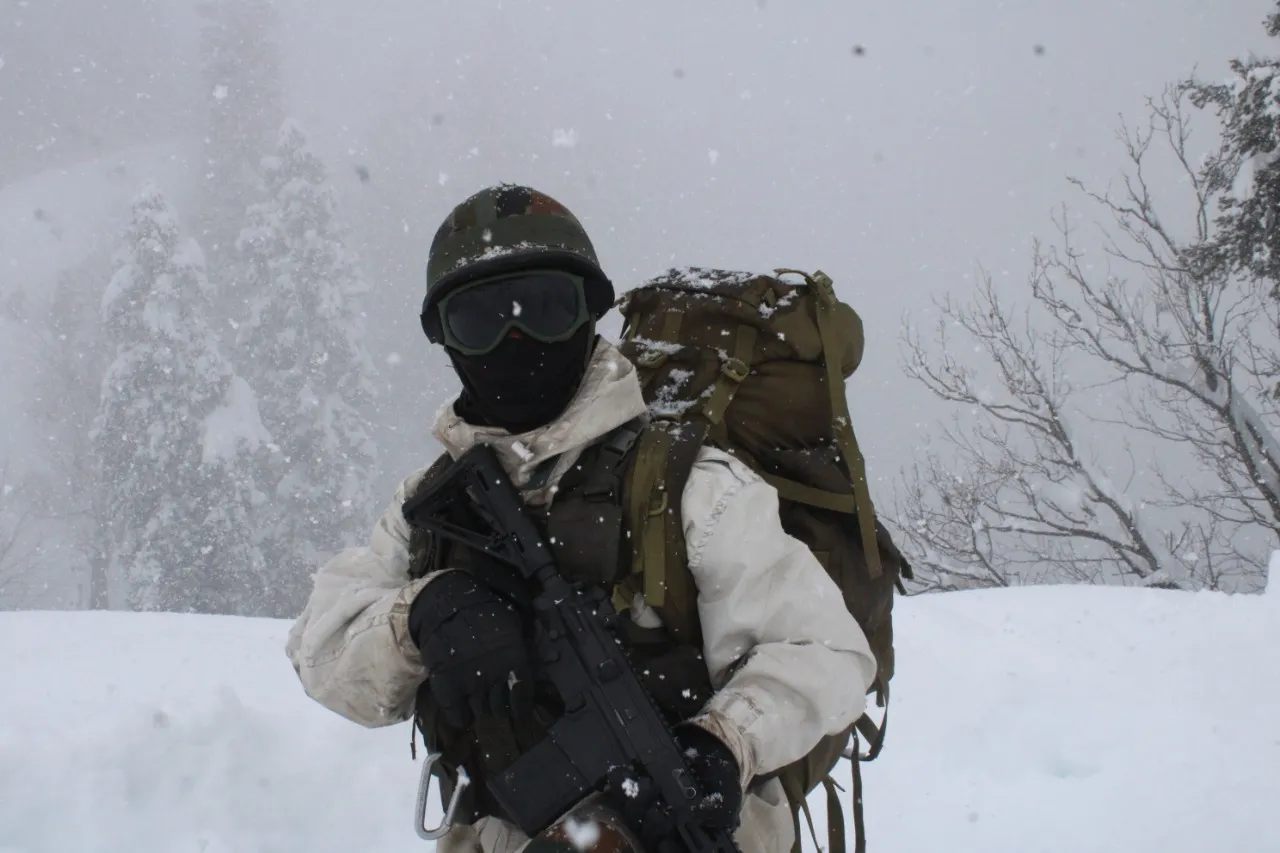
Representative image: An Indian Army soldier in snow camouflage by Indian Army, Ministry of Defence (India), GODL-India, via Wikimedia Commons.