The Word Association Test (WAT) is a crucial component of the Services Selection Board (SSB) interview process, aimed at assessing the psychological attributes of candidates aspiring to join the Indian Armed Forces. This test forms part of the psychology series and is designed to evaluate a candidate’s spontaneous thinking, personality traits, and overall mental agility. Understanding the intricacies of the WAT is essential for candidates to perform effectively and present themselves as suitable candidates for the forces.
Understanding the Word Association Test (WAT)
The WAT involves presenting candidates with a series of words, one at a time, for a brief duration. The task is to write a sentence that immediately comes to mind upon seeing each word. The sentences should be positive, action-oriented, and reflect the candidate’s personality.
Test Structure
- Number of Words: Typically, around 60 words are shown during the test.
- Duration: Each word is displayed for about 15 seconds.
- Objective: To write the first thought or sentence that comes to mind.
Key Objectives
- Spontaneity: The test measures how quickly and positively you can respond.
- Personality Insight: Responses provide insights into your personality and mindset.
- Mental Agility: Demonstrates your ability to think quickly and clearly under pressure.
What Psychologists Assess in WAT
Psychologists use the WAT to gauge various psychological traits and qualities that are deemed essential for a career in the armed forces. They assess:
Positive Attitude
Responses should reflect a positive outlook and constructive thinking. Negative or passive sentences may indicate a lack of enthusiasm or initiative.
Action Orientation
Sentences should be action-oriented, showcasing your ability to take initiative and demonstrate leadership qualities.
Consistency and Clarity
Your responses should be coherent and consistent with your overall personality traits as assessed throughout the SSB process.
Practising for the WAT
Consistent practice is key to excelling in the WAT. Here are some tips to help you prepare:
Regular Practice Sessions
Engage in regular practice by simulating the test environment. Use a timer to get accustomed to the time pressure.
Analyze Sample Words
Work with sample words and develop sentences that are positive and action-oriented. Reflect on the personality traits you wish to convey.
Seek Feedback
Share your responses with mentors or peers to gain constructive feedback. This can help you identify areas for improvement.
Common Mistakes to Avoid
Being aware of common pitfalls can help you avoid them during the actual test:
Negative Sentences
Avoid writing sentences with negative connotations or those that reflect doubt and hesitation.
Overthinking
Do not overthink your responses. The aim is to be spontaneous and genuine.
Repetitive Responses
Avoid using the same type of response for different words, as it may indicate a lack of creativity or adaptability.
Example Words and Responses
Here are some example words along with suggested responses that align with the objectives of the WAT:
| Word | Suggested Response |
|---|---|
| Leader | A leader inspires and guides the team to success. |
| Challenge | Challenges are opportunities for growth and learning. |
| Team | A team achieves more through collaboration and unity. |
Related DMA courses: NDA coaching.
FAQs
What is the purpose of the WAT in SSB?
The WAT aims to assess a candidate’s spontaneous thinking, personality traits, and mental agility, crucial for a career in the armed forces.
How can I improve my performance in the WAT?
Regular practice, analyzing sample words, and seeking feedback can significantly enhance your performance in the WAT.
What type of sentences should I avoid in the WAT?
Avoid negative, passive, or repetitive sentences. Focus on being positive, action-oriented, and genuine.
How much time is given for each word during the WAT?
Each word is typically shown for about 15 seconds, during which you need to write your response.
Can practicing with sample words help?
Yes, practicing with sample words helps you develop a positive and action-oriented mindset, which is essential for the WAT.
Preparing with Dehradun Military Academy can provide the structured environment and guidance needed to excel in the WAT and other SSB components. For more information, visit our SSB coaching page.
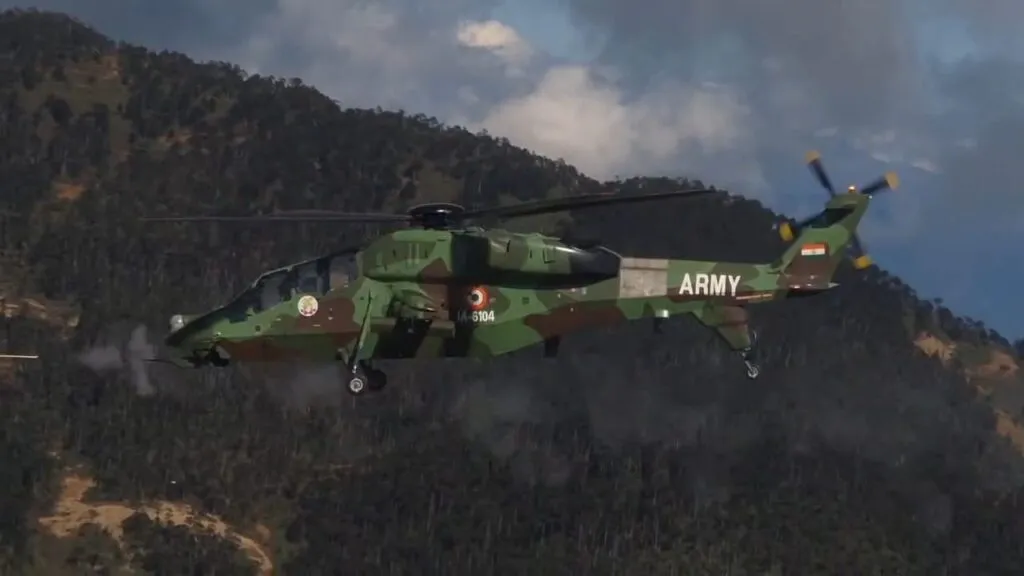
Representative image: Indian Army Prachand conducting high altitude firing by Government of India, GODL-India, via Wikimedia Commons.